the support you need from a team you can trust

ABA Therapy at Advance Autism Services

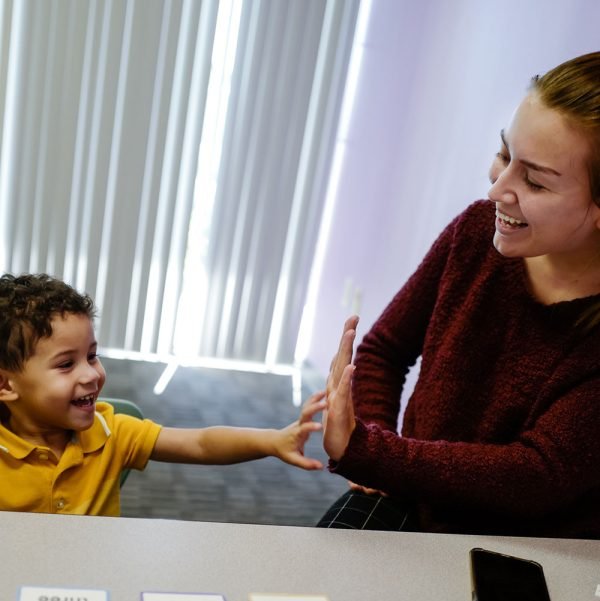
When looking for resources for their children, parents and caregivers are often left scratching their heads, wondering what the next step is. That’s why we offer a supportive environment to guide families from diagnosis to early intervention Autism therapy, helping children ages 18 months to 5 years old prepare for kindergarten and beyond at our autism treatment centers nationwide.

Our Care Team first ensures all healthcare coverage is verified and the necessary authorizations are obtained to begin treatment. Then, our Clinical Team creates a personalized care plan tailored to each child’s unique needs. Advance Autism Services is conveniently located in 7 states with multiple locations to serve your family’s needs!

Ready to begin? Reach out to our team today at 519 771 4679.

Applied Behavior analysis for autism Explained

What Is ABA Therapy at InBloom?

Applied Behavior Analysis (ABA) therapy helps children build communication, social, and life skills through individualized treatment plans based on real-time behavioral data

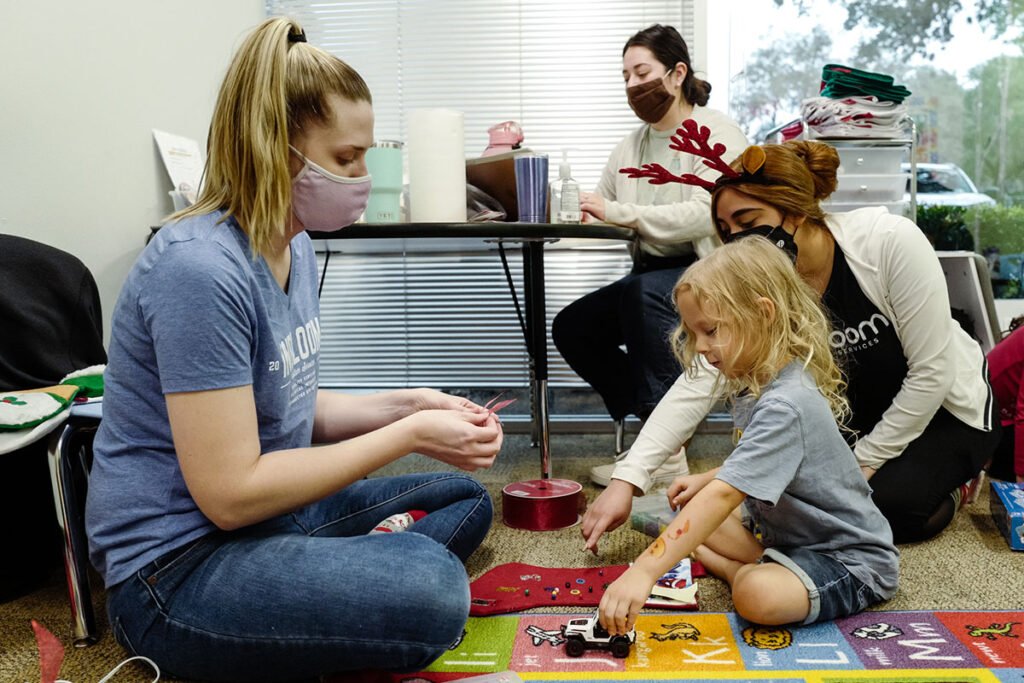
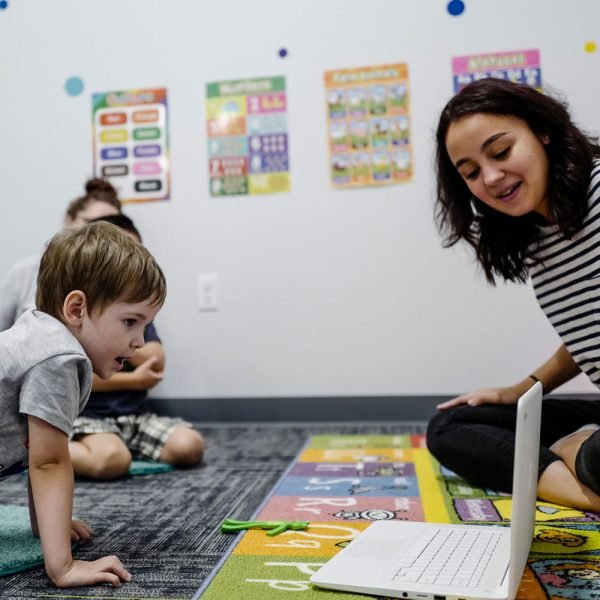
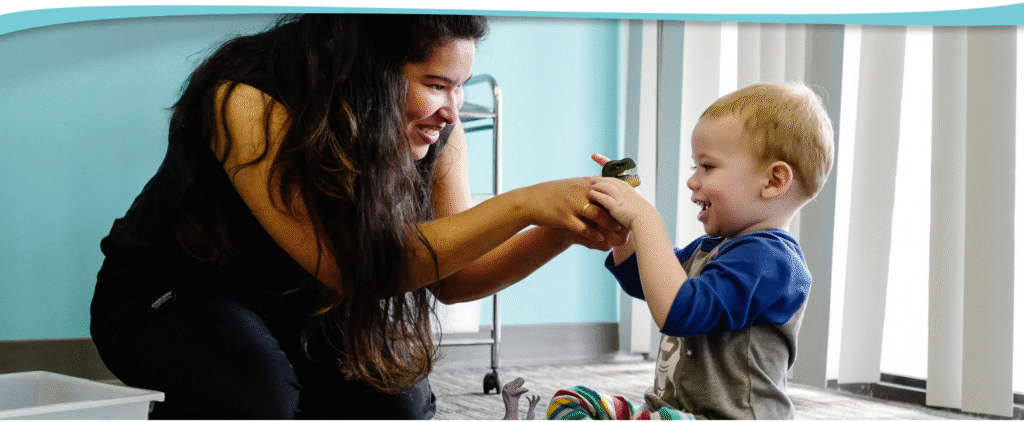
At Advance Therapy, our Autism services focus on naturalistic, play-based learning—designed to feel like fun, but backed by clinical science. Every activity is an opportunity to teach, adapt, and support your child’s growth.

Our goal? To increase helpful behaviors and reduce those that interfere with learning, safety, and independence.
Skills we work on.

How can Applied Behavioral Analysis (ABA) Therapy help?

Expressive & Receptive Language

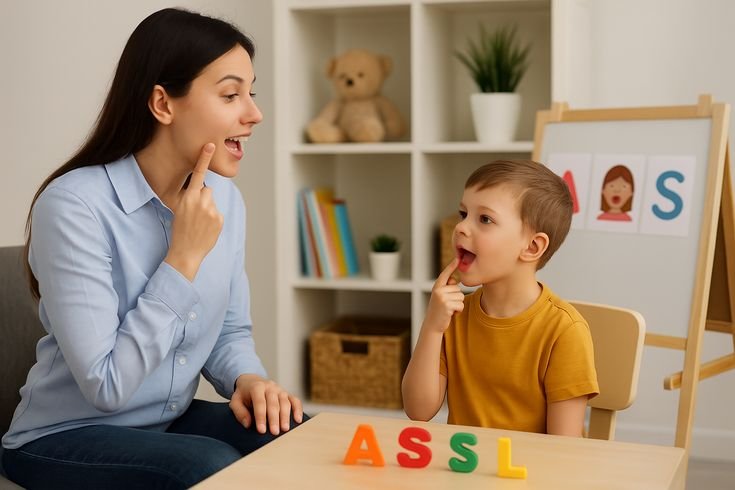
In autism therapy, any way a person communicates is called Expressive Language. This includes things like exchanging pictures or using a communication device. On the other hand, Receptive Language is how we understand communication, like following directions, identifying items, or understanding actions.

Behavior Reduction

In autism therapy, Behavior Reduction refers to strategies used to decrease challenging or harmful behaviors. This can include things like aggression, self-injury, or disruptive actions. The goal is to replace these behaviors with more positive, functional alternatives, helping the individual learn safe and socially appropriate ways to communicate their needs.

Functional Communication

In autism therapy, Functional Communication is how a person expresses their needs and wants in a meaningful way. This can include words, gestures, pictures, or communication devices. The goal is to help individuals communicate effectively, reducing frustration and supporting independence.

Academic Readiness

Academic Readiness focuses on preparing individuals for learning in school or educational settings. This includes skills like attention, following instructions, matching, sorting, early reading, and math concepts. The aim is to build foundational skills for future academic success.

Social & Group Skills

Social & Group Skills involve learning how to interact appropriately with others in different settings. This includes sharing, taking turns, following group instructions, and engaging in conversations. Developing these skills helps individuals build relationships and participate successfully in social environments.

Toilet Training & Daily Living Skills

Toilet Training & Daily Living Skills teach essential self-care and everyday routines. This includes toileting, dressing, grooming, feeding, and hygiene. These skills promote independence, confidence, and a higher quality of life.

Caregiver ABA Coaching

Caregiver ABA Coaching provides guidance and support to parents and caregivers in applying Applied Behavior Analysis (ABA) strategies at home. This ensures consistency, reinforces learning, and empowers caregivers to actively participate in the individual’s progress.

Start Your Autism Therapy Journey with Advance Therapy Autism Services

If you have questions about Autism behavior consultations or want to start a journey of life-changing ABA therapy for your child, contact our friendly Advance Therapy team today.

finding the right support

Is ABA Autism Therapy right for my child?

Research has shown that our minds are most impressionable between the ages of 1 and 5. For this reason, early intervention (obtaining ABA therapy for autism at an early age) is key in ensuring your child is given the tools needed to develop meaningful skills that will prepare them for the classroom and everyday life. Our Care Team takes pride in walking each family through the ABA treatment process so that parents and caregivers can feel at ease knowing that they have a strong network of support dedicated to the growth and success of their child.

In this episode of Blooming Minds, one of our Board Certified Behavior Analyst (BCBA) explains the onboarding process for starting ABA therapy services with us!

What You Can Expect

What can I expect from Autism treatment?

ABA Therapy for autism is a marathon, not a sprint. Therefore, consistency is key to maximizing each child’s success.

After assessing your child’s skills and needs, our clinicians develop a treatment plan typically ranging from 20 to 40 hours of care per week in a learning center. Once therapy begins, your kiddo’s network of support balloons in size, and most critical to their development is the relationship between their biggest advocates: you and their ABA team!

Skills we work on.

What does getting started in ABA autism therapy and services look like?

Connect with our Care Team by phone or by filling out our contact form.

During our first call, we’ll ask about your child’s age, any challenging behaviors, and verifying if your family has received an official diagnosis for ASD.

Provide us with your insurance information and diagnostic evaluation, and we’ll verify whether ABA therapy is covered under your plan.

Our local Advance Therapy team will send you an introductory email and guide you in scheduling your assessment.

Within a week of assessing your child’s skills and behaviors, the BCBA (Board Certified Behavior Analyst and senior clinician on your child’s care team) will review the recommended treatment plan with you.

After you sign the treatment plan, our team will submit it to your insurance. While approval may take a few weeks, once it’s approved, your local team will contact you to schedule the start of your child’s care!

Take the next step in your unique Autism Therapy journey!

We’d love to hear from you! Here’s some information we’ll ask for to see if your child qualifies for ABA therapy at Advance Therapy:

Is your child between the ages of 18 months and 5 years old?

Does your child currently have a diagnosis of Autism?

Are you looking for center-based ABA Therapy services?

Can’t chat today? Fill out our contact form here!

parent & employee Testimonials

Get Focused Teamwork.

Caregivers are an essential part of our team.

Board Certified Behavior Analysts

BCBA

BCBAs (Board Certified Behavior Analysts) create the treatment plan which is then put into practice by RBTs (Registered Behavior Technician), so having a transparent, open line of communication with your BCBA is vital to your kiddo’s progress. Your BCBA also facilitates Caregiver Training sessions; structured one-on-one time for discussing your kiddo’s goals and development as well as practicing skills and techniques that will allow you and your family to continue making progress at home and in the community.

Registered Behavior Technician

RBT

Your RBTs are the ones who will be working directly with your kiddo and providing the treatment as outlined by the plan set by your BCBA. RBTs provide you with feedback and updates after each session, so be sure to continually discuss any improvements or challenges with them and the BCBA so the team can have all of the necessary information when considering the ABA Therapy treatment plan that will best suit your child’s needs.

Anyone Providing Care

Caregiver

We ask that all caregivers remain engaged in their child’s course of therapy, as your involvement is crucial to their progress. Ultimately, the clinical team’s goal is to see that your child meets their goals and is able to utilize the skills in-center, at home, and across all other environments. Aside from ongoing Caregiver Training sessions, keeping in communication with your RBTs and BCBA about successes, challenges, and general observations greatly boosts the efficacy of your kiddo’s ABA Therapy.

Blog, Articles, What’s Going On…

Finding the Right ABA Behavior Consultant

Finding the Right ABA Behavior Consultant

Finding the Right ABA Behavior Consultant