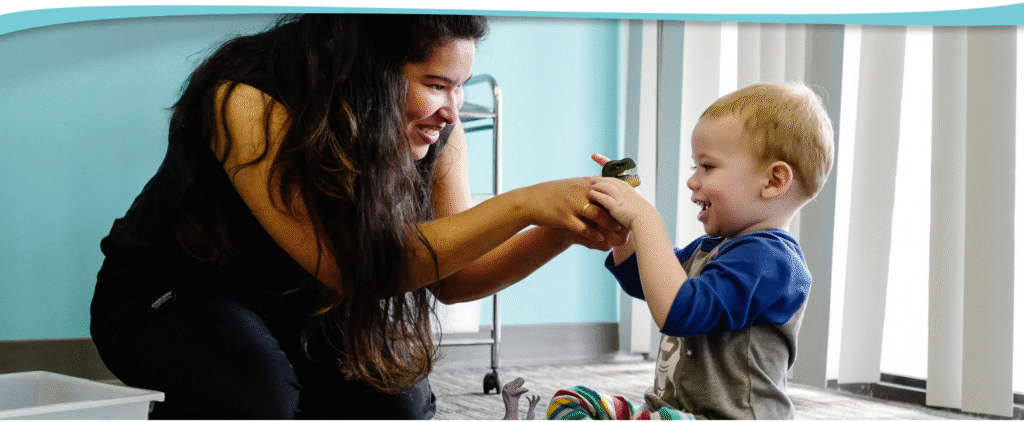
Incidental teaching is an important and highly effective component of the multi-faceted ABA therapy we provide at Advance Therapy. It involves using naturally occurring, everyday situations as teachable moments to help your child learn, practice, and reinforce new skills in real-life contexts.
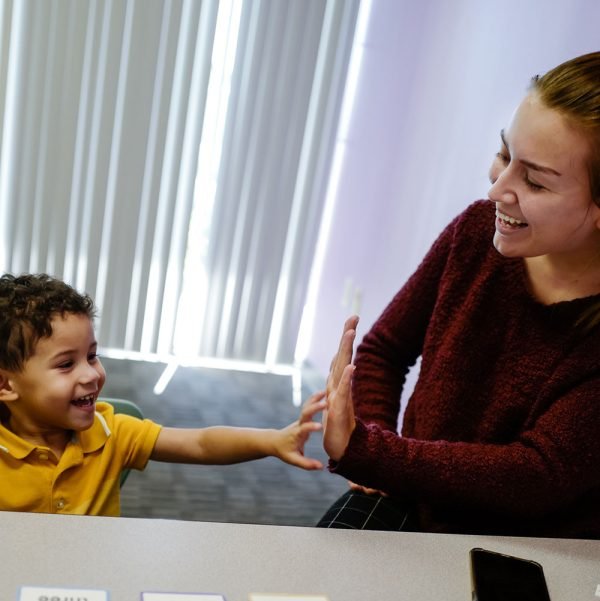
To better understand incidental teaching, it may be helpful to discuss the principles that define it.
The natural environment is an important focus in incidental teaching. This simply means that your child’s therapy takes place in a natural setting and involves real-life situations.
Teaching can happen while your kiddo is playing on our indoor playground with peers, working on a coloring page, or waiting in line for their turn on the slide. Grounding incidental teaching in natural environments helps ensure your child’s new skills carry over into many real-life settings.
In incidental teaching, your child’s therapist lets your child’s preferences and interests unlock a teaching opportunity. When their interest is sparked, children get excited and are motivated to learn. For example, a child might be playing with toy cars and notices a blue car, their favorite. Their therapist can use this opportunity to work on skills, including asking to play with the car or interacting effectively with other children.
Reinforcement simply refers to ways a child’s therapist can encourage them to repeat a positive skill. This can include verbal praise after they attempt a new skill or the opportunity to play with a toy they’ve asked for.
Prompts are instructions or cues that help a child initiate a skill or behavior. Prompting can include visual cues, verbal prompts, gestures, or modeling. Reinforcement and prompting both help your child learn and build essential skills.
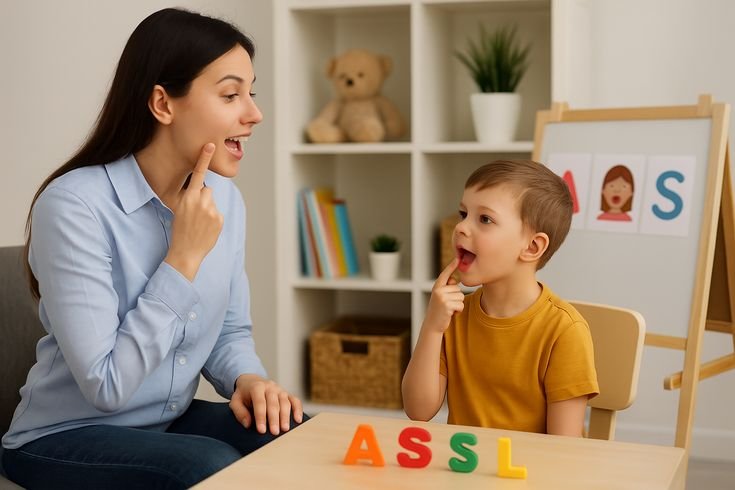
Expressive & Receptive Language
In autism therapy, any way a person communicates is called Expressive Language. This includes things like exchanging pictures or using a communication device. On the other hand, Receptive Language is how we understand communication, like following directions, identifying items, or understanding actions.
Behavior Reduction
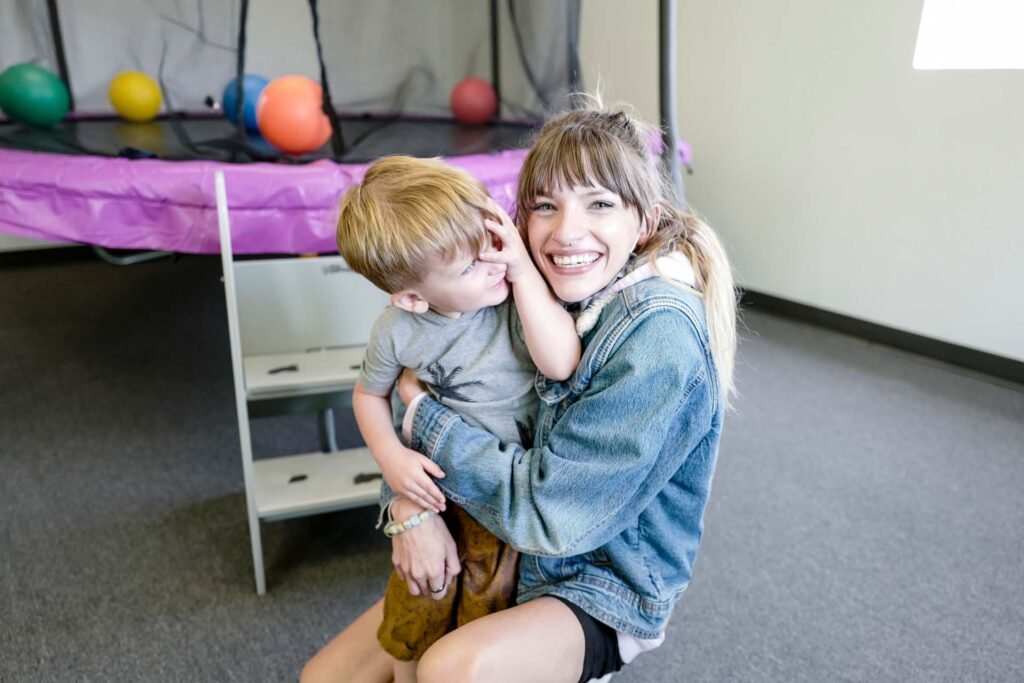
In autism therapy, Behavior Reduction refers to strategies used to decrease challenging or harmful behaviors. This can include things like aggression, self-injury, or disruptive actions. The goal is to replace these behaviors with more positive, functional alternatives, helping the individual learn safe and socially appropriate ways to communicate their needs.
Functional Communication
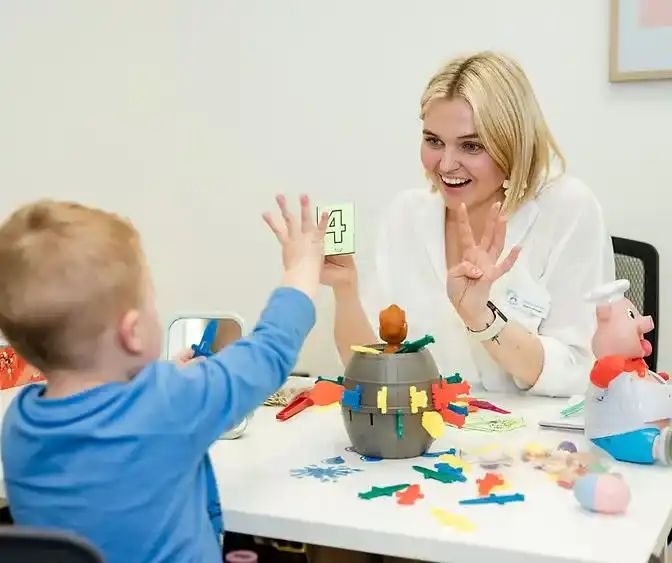
In autism therapy, Functional Communication is how a person expresses their needs and wants in a meaningful way. This can include words, gestures, pictures, or communication devices. The goal is to help individuals communicate effectively, reducing frustration and supporting independence.
Incidental teaching can take many forms, limited only by your kiddo’s imagination and their therapist’s creativity. Your child may work on tying their shoes while getting ready for playground time. During a group game, they may have the opportunity to practice effective communication skills with other children. They might work on important spatial skills while playing with their favorite blocks.
Incidental teaching fosters success and helps make learning fun for kiddos!
Incidental teaching is an established method within ABA therapy that can benefit your child in many ways.
When learning unfolds in a natural setting, your child benefits. Learning is more enjoyable and the skills they learn are more likely to carry over into real-world situations. By working on skills in a natural way, your child can more easily make connections between those skills and real-life situations. Incidental teaching in ABA therapy emphasizes using natural scenarios and environments, helping to ensure this generalization of skills.
Through incidental teaching, children can naturally learn and strengthen essential socialization skills. At Advance Therapy, our in-center ABA programs provide regular opportunities for kids to interact with peers their age in a supportive, structured environment. Whether it’s during playtime, group activities, or shared learning tasks, therapists guide each child in developing meaningful social skills that they can use at home, in school, and throughout their life.
Incidental teaching can help your child to learn and master essential life skills, from brushing their teeth to communicating with others. The naturalistic approach central to incidental teaching equips your child to apply these life skills to many different settings while growing in independence.
Discrete Trial Training (DTT) focuses on teaching specific skills in a structured way, often with a child working 1-on-1 with the therapist. For example, your child and their therapist may sit at a table and work on learning how to raise their hand to ask a question.
While both DTT and incidental teaching are important parts of ABA therapy, incidental teaching is less structured, is often child-initiated, and can be more spontaneous.
Understanding autism is only the beginning. The next step is helping a child learn skills that promote independence, confidence, and success.
Some teaching methods within ABA therapy are structured, and some are more unstructured. Incidental teaching is less structured and more informal. Though the therapist is still actively working toward the goals in your child’s therapy plan, they are doing so more spontaneously. By finding teaching moments during activities, like playtime or a game, your child’s therapist helps make learning enjoyable and natural.
Let Advance Therapy Help — Get Started Today!
We understand that every family is at a different stage in their journey with an autism diagnosis. At Advance Therapy, we focus on helping you begin a supportive path filled with guidance, growth, and the right resources at a center near you. Our caring Advance Therapy team is always here for you and your family, ready to answer any questions and help you take the next step with confidence.