What is Autism ?
At Advance Therapy Autism Services, your ABA journey begins with a behavior consultation. Let’s explore what a consultation is all about and the many benefits it can offer you and your child.
What Does Autism Spectrum Mean?
The word “spectrum” reflects the wide range of symptoms, behaviors, and developmental differences seen in individuals with ASD. Autism does not look the same for every child—each child has unique abilities and needs. The spectrum shows this variation in severity, strengths, and support levels required.
With improved awareness and better diagnostic tools, ASD diagnoses have increased over the years. According to the CDC, approximately 1 in 31 children is diagnosed with autism spectrum disorder.
Common Symptoms of Autism
Social and Communication Challenges
Children with ASD may experience challenges such as:
Limited or inconsistent eye contact
Difficulty understanding or using facial expressions
Preferring to play alone or avoiding physical contact
Challenges starting or maintaining conversations
Repetitive Behaviors & Restricted Interests
Many children on the autism spectrum display repetitive or routine-based behaviors, including:
Hand flapping, rocking, or repeated movements
Distress when routines change
Strong interest or fixation on specific objects or topics
Sensory Processing Differences
Children with ASD may be hypersensitive or hyposensitive to sensory input. This may include challenges with:
Sound
Light
Smell
Taste
Touch
Some children may avoid certain stimuli, while others may seek out intense sensory experiences.
Clinicians use DSM-5 criteria to describe three levels of support needs:
A child in this category may have difficulty with social interaction and communication. Difficulties with navigating activities and social settings interfere with independence. For example, a child may be able to use complete sentences and interact socially but may struggle with sustaining conversation or making friends.
This level of severity requires more significant support. Impairments in social interaction and communication are more pronounced, and challenging behaviors are more of an obstacle to functioning.
This category includes significant verbal and nonverbal challenges and limited social skills. Extreme difficulty with navigating change may be present, and the child needs significant support.
Moving Forward: Support & Services
Understanding autism is only the beginning. The next step is helping a child learn skills that promote independence, confidence, and success.
ABA therapy is proven to help children with autism improve:
Communication
Social interaction
Learning readiness
Daily living skills
Emotional regulation
ABA therapy is most effective between 18 months and 5 years, making this a crucial period for growth.

How Advance Therapy Can Help
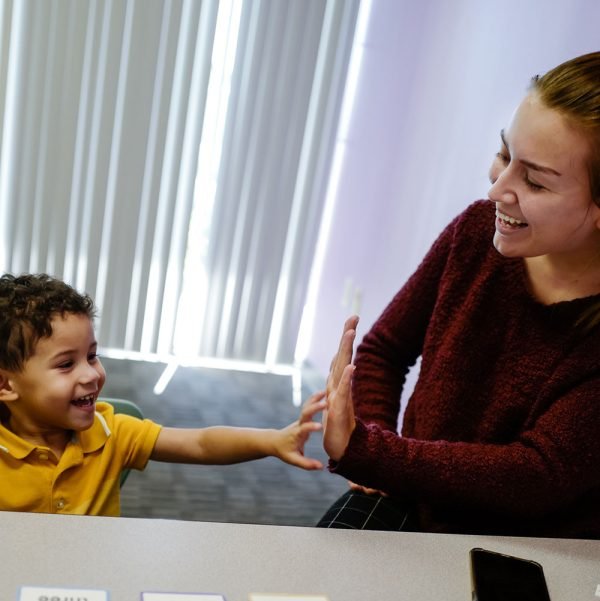
At Advance Therapy, we offer Early Intensive Behavioral Intervention (EIBI), ensuring that children with ASD receive life-changing ABA therapy within this critical time window. Our outstanding Board Certified Behavior Analysts (BCBAs) and Registered Behavior Technicians (RBTs) are trained and experienced in coming alongside children with ASD to help them learn, grow, and achieve success.
At Advance Therapy, we also make parents, families, and caregivers an active part of the therapy process. From parent coaching to helpful resources, we partner with you to help your child bloom and thrive. To learn more about starting an exciting journey of ABA therapy for your child, contact our helpful team today.
Start Your Autism Therapy Journey with Advance Therapy Autism Services
If you have questions about ABA behavior consultations or want to start a journey of life-changing ABA therapy for your child, contact our friendly Advance Therapy team today.